
Reac Nspire Consulting NSPIRE Inspection Services in South Carolina
Reac Nspire Consulting proudly supports property owners and managers throughout South Carolina with specialized NSPIRE Inspection guidance and compliance solutions. Founded to simplify complex HUD requirements, our firm brings more than 30 years of combined leadership experience and a portfolio of over 300 completed projects nationwide. We focus on early issue detection, customized preparation plans, and hands on support that protects your inspection scores and funding. If you are unsure how standards have changed, review the difference between REAC and NSPIRE to better prepare your property for success.
Same Day Callback!
[trustindex no-registration=google]
Schedule Your NSPIRE Review
Do not wait for an inspection notice to put your property under pressure. Take control of your NSPIRE compliance strategy today with expert guidance tailored specifically for South Carolina properties. Reac Nspire Consulting delivers comprehensive pre inspection assessments, detailed deficiency reports, and prioritized action plans that help you correct issues before they become costly findings. We help you protect your funding, preserve your reputation, and maintain resident satisfaction through proactive compliance support. Every day you delay increases risk. Early preparation gives you leverage, clarity, and confidence. Our experienced team understands HUD standards, inspection protocols, and the practical steps required to achieve stronger outcomes. We do not just identify problems. We provide clear solutions and ongoing support so you can move forward with certainty. Call (855) 677-1301 now to schedule your customized evaluation. Secure your compliance, strengthen your inspection results, and protect your property before the next review begins.


Let’s bring your vision to life
Our NSPIRE Inspection Services in South Carolina
South Carolina presents a diverse housing landscape that ranges from coastal developments to rural communities and rapidly expanding suburban corridors. Each region brings unique environmental conditions, municipal oversight patterns, and housing stock challenges that directly affect NSPIRE outcomes. Coastal properties contend with humidity, salt air corrosion, and storm related wear. Inland communities often manage aging infrastructure, deferred maintenance issues, and resource limitations. Local expertise matters because compliance is never one size fits all. An inspection strategy that works in Charleston may not address the realities of Columbia, Greenville, or smaller rural markets. Our team understands how South Carolina building trends, contractor availability, and regional climate patterns influence inspection performance. We help property managers prioritize repairs that inspectors are most likely to cite based on common findings throughout the state. We also track HUD scoring behaviors and recurring deficiencies seen in local inspections, giving clients a proactive advantage. Property teams seeking a deeper overview of compliance preparation often benefit from reviewing navigating NSPIRE inspection guidelines to understand how documentation, maintenance practices, and safety protocols shape final scores. With grounded local insight, properties can move from reactive fixes to strategic readiness.

Apartment Turnover & Renovation
Apartment turnover and renovation services play a direct role in strengthening NSPIRE Inspection outcomes across South Carolina. Every unit transition is an opportunity to correct deficiencies before they are cited under HUD standards. Our team evaluates vacated units through an NSPIRE focused lens, checking smoke detectors, GFCI protection, handrails, door hardware, water temperature, and visible health and safety concerns that frequently affect scores. In South Carolina’s humid climate, moisture intrusion, deteriorating sealants, and HVAC drainage issues are common during turnovers. We address these conditions proactively to reduce the risk of mold related findings and ventilation deficiencies. Renovation planning also incorporates updated lighting, trip hazard correction, and proper egress clearances, all of which directly impact NSPIRE Inspection scoring. For property managers who want to prevent recurring citations, we recommend reviewing common NSPIRE violations and how to avoid them as part of a preventive maintenance strategy. By aligning renovation scopes with HUD criteria, we transform routine turnovers into compliance driven upgrades that protect funding and long term asset performance.
NSPIRE Inspection
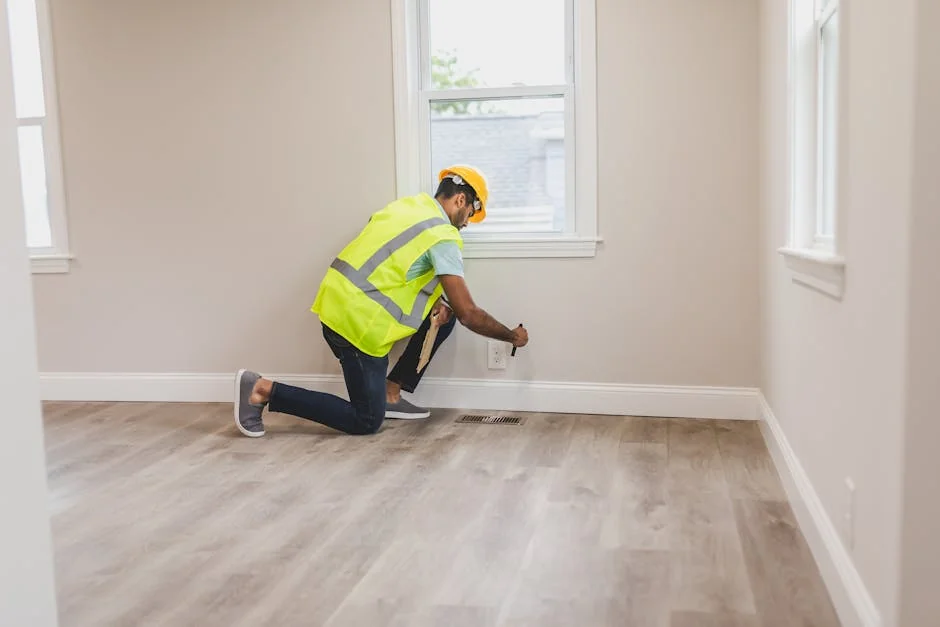
Our comprehensive NSPIRE Inspection services in South Carolina are designed to mirror the structure and rigor of an official HUD review. We conduct detailed pre inspection assessments that examine units, building exteriors, common areas, and site components according to the latest National Standards for the Physical Inspection of Real Estate. Each observation is categorized by severity level so property teams understand which items pose the greatest risk to their score. South Carolina properties often face weather related wear, including roof membrane stress, drainage challenges, and exterior material deterioration. Our inspections account for these regional factors while emphasizing life threatening and severe health and safety conditions that carry significant scoring weight. We provide corrective action roadmaps, photo documentation, and prioritized repair lists to streamline preparation. For owners exploring how inspections influence long term financial stability, reviewing how NSPIRE affects HUD funding offers valuable insight into why proactive compliance is critical. Our goal is not only to identify deficiencies but to build a sustainable inspection readiness culture throughout South Carolina properties.
REAC Inspection
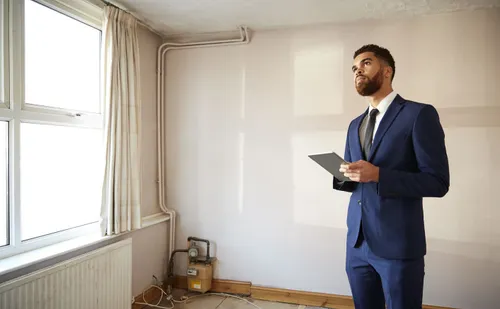
While NSPIRE has become the current standard, REAC Inspection benchmarks still offer meaningful insight for many South Carolina property owners. Communities with older scores, prior findings, or long term performance data can benefit from a focused review of how they performed under the previous framework. Our REAC centered services examine site conditions, building exteriors, structural components, mechanical systems, common areas, and individual dwelling units through the lens of the original scoring model. This allows ownership and management teams to see trends that may not be obvious in a single inspection cycle. By evaluating historical REAC results alongside present NSPIRE requirements, we help identify recurring deficiencies such as drainage concerns, damaged sidewalks, faulty lighting, deteriorated roofing, or life safety gaps. Recognizing these patterns supports smarter capital planning and targeted maintenance strategies. Instead of reacting to findings, clients gain a proactive roadmap for improvement. Many housing providers enhance preparation through structured pre REAC inspection and consulting services that replicate scoring logic and prioritize high impact corrections. This structured approach strengthens documentation, accountability, and on site readiness. Blending REAC performance analysis with modern compliance planning equips South Carolina owners with deeper operational insight, stronger risk management, and greater confidence during any federal inspection process.
NSPIRE & REAC Repair Services
Correcting inspection findings requires more than basic maintenance. Our NSPIRE and REAC repair services in South Carolina are built around precision, documentation, and full alignment with current HUD standards. We approach every property with a clear action plan that prioritizes health and safety hazards first, including exposed electrical components, blocked exits, unstable handrails, active leaks, inoperable smoke detectors, and fire suppression deficiencies. Addressing these issues quickly not only protects residents but also preserves inspection scores and funding eligibility. South Carolina properties face unique environmental pressures such as coastal moisture, salt air corrosion, heavy rainfall, and seasonal storms. These conditions often accelerate wear on roofing systems, exterior siding, stair assemblies, drainage components, and structural connections. Our team evaluates these vulnerabilities carefully and performs targeted repairs or replacements that meet NSPIRE criteria while strengthening long term durability. We coordinate closely with property managers to schedule work efficiently and minimize resident disruption. Every completed repair is photographed, logged, and verified against inspection standards to ensure defensible compliance. When appropriate, we recommend pairing repairs with a proactive NSPIRE inspection service to confirm readiness before reinspection. This disciplined, compliance focused approach reduces risk, improves performance outcomes, and positions South Carolina properties for consistent inspection success.

Why Hire Local Expert
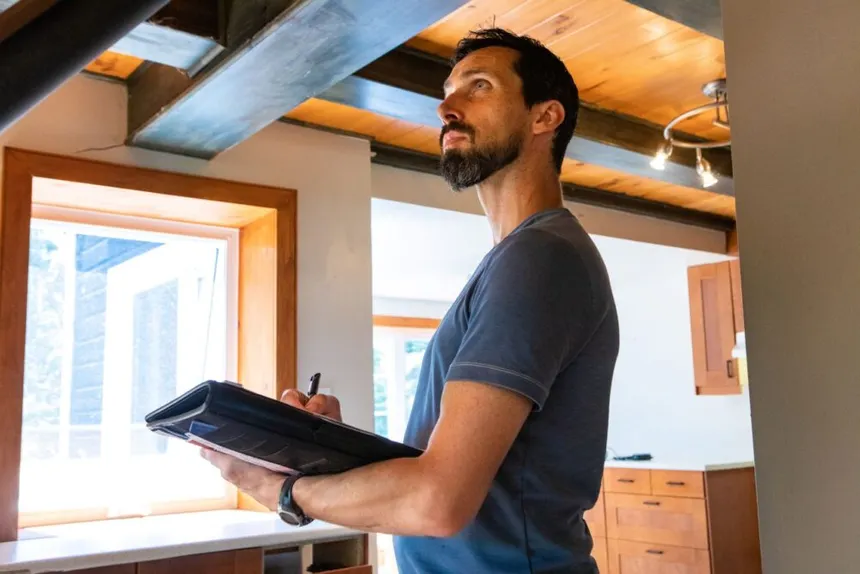
Hiring a team that understands the day to day realities of South Carolina housing provides a clear advantage when preparing for an NSPIRE inspection. Local experience allows us to anticipate how heat, humidity, coastal storms, and seasonal moisture impact roofing, HVAC systems, exterior components, and interior finishes. We understand common construction styles across the state and how regional infrastructure can influence maintenance priorities. This insight helps property owners address issues before they become reportable deficiencies. We strengthen this local knowledge with proven strategies drawn from our broader NSPIRE inspection nationwide experience, ensuring your property meets HUD standards without overcorrecting or overspending. Our recommendations are practical, prioritized, and tailored to your asset type, whether multifamily, senior housing, or scattered sites. Clients benefit from faster response times, clearer communication, and compliance plans built around South Carolina conditions. The result is greater confidence on inspection day, reduced risk of repeat findings, and a stronger long term compliance position for your property.
Great Price Guaranteed
At Reac Nspire Consulting, we believe that high quality NSPIRE Inspection support in South Carolina must deliver measurable value, operational clarity, and long term financial protection. Our pricing philosophy is grounded in transparency, fairness, and clearly defined scope. Before any engagement begins, we provide a detailed written proposal outlining services, reporting structure, on site expectations, timelines, and post inspection support. Property owners and asset managers know exactly what is included, how the process works, and what outcomes to expect. Our competitive rates are the result of refined systems and deep regulatory expertise. Because our consultants understand NSPIRE standards at a granular level, we identify deficiencies efficiently and prioritize corrective actions based on risk exposure and scoring impact. This structured approach reduces unnecessary spending and allows property teams to allocate capital strategically. There are no hidden fees, vague line items, or unexpected add ons. If additional services such as follow up inspections, contractor coordination, or documentation review are required, they are clearly explained and approved in advance. Most importantly, our pricing model supports return on investment. Strong NSPIRE performance protects HUD funding, preserves occupancy stability, and reduces the likelihood of costly reinspections or emergency remediation. Proactive preparation is often far less expensive than reactive repairs. For property teams evaluating next steps, reviewing why you should consider a pre NSPIRE inspection provides insight into how early intervention minimizes risk and prevents last minute compliance challenges. Our commitment is simple: expert guidance, predictable costs, and dependable results that strengthen your property portfolio.

NSPIRE Inspection support throughout South Carolina
South Carolina presents a unique environment for NSPIRE Inspection compliance due to its geographic diversity, economic growth patterns, and climate exposure. From coastal regions along the Atlantic to inland rural communities and expanding suburban corridors, property conditions can vary dramatically across the state. These variations directly influence how owners and managers prepare for HUD inspections. One of the most significant challenges affecting NSPIRE Inspection performance in South Carolina is humidity and storm activity. Prolonged moisture exposure accelerates deterioration of roofing materials, exterior wood components, sealants, and stair assemblies. Coastal salt air can corrode metal railings, HVAC components, and electrical enclosures more rapidly than in inland markets. Properties that do not implement preventive maintenance cycles tailored to these environmental pressures often face repeated deficiencies related to water intrusion, mold risk, and structural wear. Under NSPIRE standards, health and safety concerns tied to moisture or electrical issues can significantly affect scoring. Economic growth across South Carolina has also created competitive pressures in the affordable housing sector. As development expands and population increases, demand for quality housing rises. Properties with low inspection scores may struggle to remain competitive for funding allocations or partnership opportunities. NSPIRE Inspection results now carry heightened importance because they reflect not only compliance but also overall asset condition. Owners who proactively address deficiencies position themselves more favorably within a growing and competitive market. Another factor influencing NSPIRE Inspection outcomes is the mix of aging housing stock and newer developments. Many communities in South Carolina include properties built decades ago under older construction standards. These buildings may have outdated electrical systems, limited ventilation, or insufficient accessibility features. Bringing these assets into alignment with modern NSPIRE expectations requires strategic capital planning. At the same time, newer properties must maintain strict quality control to prevent early wear that could trigger deficiencies. Seasonal tourism also affects operations. During peak travel months, especially in coastal areas, increased population density can strain infrastructure and maintenance response times. Higher occupancy and turnover rates may lead to more frequent wear in common areas, elevators, and exterior grounds. Preparing for NSPIRE Inspection in these conditions requires enhanced documentation, consistent work order tracking, and rapid correction of life threatening items. Properties that fail to adapt their maintenance staffing during high demand periods may struggle to resolve issues before inspection windows. Regional regulations and building codes within South Carolina can further shape inspection preparation strategies. While HUD standards govern NSPIRE Inspection scoring, local enforcement of fire safety, accessibility, and environmental health codes can intersect with federal requirements. Property managers must ensure that compliance efforts align across all applicable standards. Overlooking local code updates may lead to conditions that, while technically minor under state rules, become significant under NSPIRE health and safety categories. Infrastructure considerations also play a role. Rural areas of South Carolina may face limited contractor availability or longer repair timelines due to supply chain constraints. When specialized materials or licensed trades are required, scheduling delays can jeopardize readiness. Urbanizing regions may experience the opposite challenge, with high contractor demand driving up costs and extending project queues. Effective NSPIRE Inspection planning accounts for these logistical realities well in advance of expected inspection dates. Demographic trends further influence compliance strategies. South Carolina includes a growing senior population and a mix of family oriented communities. Properties serving elderly residents must pay close attention to handrails, lighting, trip hazards, and accessible pathways, all of which are emphasized under NSPIRE health and safety criteria. Family focused developments must prioritize secure window guards, functional smoke detection, and safe play areas to minimize risk and protect inspection scores. Ultimately, succeeding with NSPIRE Inspection in South Carolina requires a holistic approach that blends environmental awareness, proactive maintenance, financial planning, and regulatory alignment. Properties that treat inspection readiness as an ongoing operational discipline rather than a last minute event are far better positioned to maintain strong scores, protect HUD funding, and remain competitive within the evolving housing landscape of South Carolina.
Contact Us!
Get The Best Remodeling Service
Send us a message
Get in touch with us.
Contact Info
Contact us and experience the best home remodeling services . Incredible customer support and premium services are guaranteed at affordable prices. Contact Now!
Our Offices
258 Dexter Pl, San Ramon, CA 94583
2485 W Ave 133rd, San Leandro, CA 94577
950 Tower Ln suite 2100, Foster City, CA 94404
Email Us
leads@lbconstructionremodel.com
Frequently Asked Questions
What should I do to prepare my property for an upcoming NSPIRE Inspection in South Carolina?
Start by conducting a detailed internal walkthrough that focuses on health and safety items such as smoke detectors, carbon monoxide alarms, handrails, GFCI outlets, and clear egress paths. Review recent work orders to ensure recurring maintenance issues have been fully resolved rather than temporarily patched. In South Carolina, pay special attention to moisture intrusion, roof conditions, and exterior stair stability due to humidity and storm exposure. Partnering with a professional NSPIRE Inspection consultant can help you prioritize high risk deficiencies and create a corrective action plan before the official inspection occurs.
How does an NSPIRE Inspection impact my HUD funding in South Carolina?
NSPIRE Inspection results directly influence your property’s compliance standing and can affect continued eligibility for HUD funding. Lower scores or uncorrected life threatening deficiencies may trigger increased oversight, required corrective plans, or financial consequences. In South Carolina’s competitive housing environment, strong inspection performance also supports your credibility with stakeholders and funding partners. By addressing deficiencies early and maintaining consistent documentation, property owners can reduce risk, protect funding streams, and demonstrate a proactive commitment to resident safety and regulatory compliance.
How can NSPIRE Inspection help my South Carolina business during peak seasons or tourist periods?
During peak tourism seasons in South Carolina, especially in coastal areas, properties often experience higher occupancy, faster unit turnover, and increased wear in common areas. A proactive NSPIRE Inspection strategy helps you identify and correct safety concerns before heavier usage amplifies them. We recommend increasing preventive maintenance cycles, documenting repairs in real time, and scheduling internal reviews before high demand months. By strengthening life safety systems and exterior components ahead of peak periods, your property remains compliant and better positioned to handle increased resident and visitor activity.
What are the most common NSPIRE deficiencies found in South Carolina properties?
Common deficiencies in South Carolina include missing or inoperable smoke detectors, damaged handrails, trip hazards on exterior walkways, deteriorated roofing materials, and moisture related concerns in bathrooms or mechanical rooms. Electrical panel issues and missing GFCI protection are also frequently cited. Because of the state’s humid climate, inspectors often pay close attention to mold risk and water damage. Regular preventive maintenance, clear documentation, and periodic mock inspections can significantly reduce the likelihood of these findings affecting your final NSPIRE score.
How often should we schedule a pre NSPIRE Inspection?
Most properties benefit from scheduling a pre NSPIRE Inspection at least annually, even if an official HUD inspection has not yet been announced. For higher risk properties or those with past low scores, semi annual reviews may be more effective. In South Carolina, environmental wear and storm activity can accelerate deterioration, making routine assessments especially valuable. Consistent pre inspections allow you to track recurring issues, allocate maintenance budgets strategically, and avoid last minute corrective pressure before an official evaluation.
Can you help train our on site staff for NSPIRE compliance?
Yes. Staff training is a critical component of sustained NSPIRE Inspection success. We provide practical guidance that helps maintenance teams recognize deficiency categories, document repairs properly, and prioritize life threatening conditions. Training sessions in South Carolina often emphasize moisture management, exterior safety features, and electrical compliance due to regional trends. Empowering on site personnel with clear standards and checklists reduces the risk of overlooked issues and builds a culture of continuous compliance rather than reactive correction.
What happens if we fail an NSPIRE Inspection in South Carolina?
If a property receives a low NSPIRE score or significant health and safety findings, HUD may require corrective action within a defined timeframe. Failure to address cited items promptly can lead to additional oversight, reinspection, or funding concerns. In South Carolina, responding quickly is essential due to contractor demand and potential weather related repair delays. A structured remediation plan with documented corrections and verification walkthroughs can help stabilize your compliance standing and prepare you for a successful follow up inspection.
Is NSPIRE Inspection different for older properties in South Carolina?
Older properties often face greater challenges under NSPIRE standards because aging systems and materials may not align with modern safety expectations. In South Carolina, this can include outdated electrical infrastructure, insufficient ventilation, or deteriorating exterior components affected by humidity. While HUD does not lower standards for older buildings, strategic capital improvements and preventive maintenance can significantly improve performance. A targeted assessment helps identify which upgrades will have the greatest impact on health, safety, and overall NSPIRE Inspection scoring.